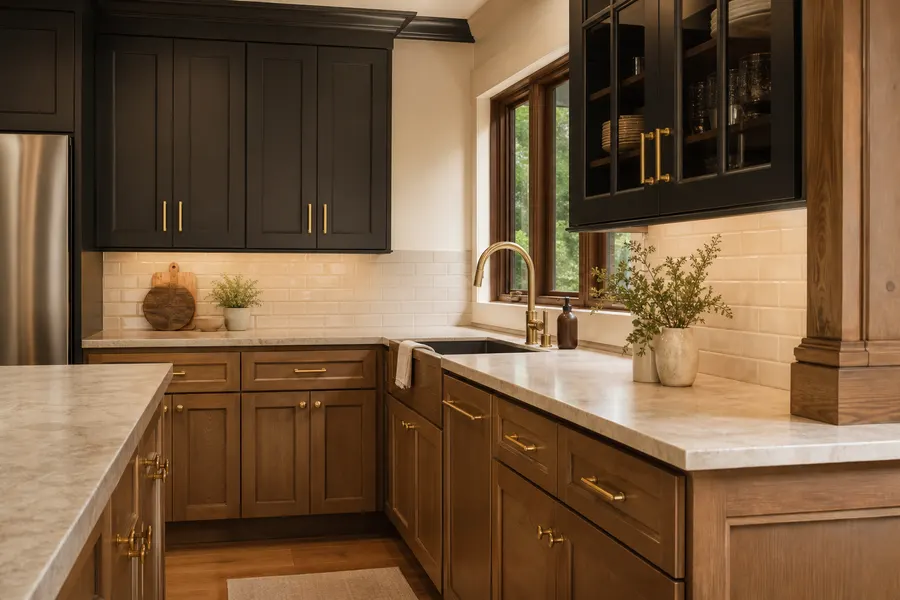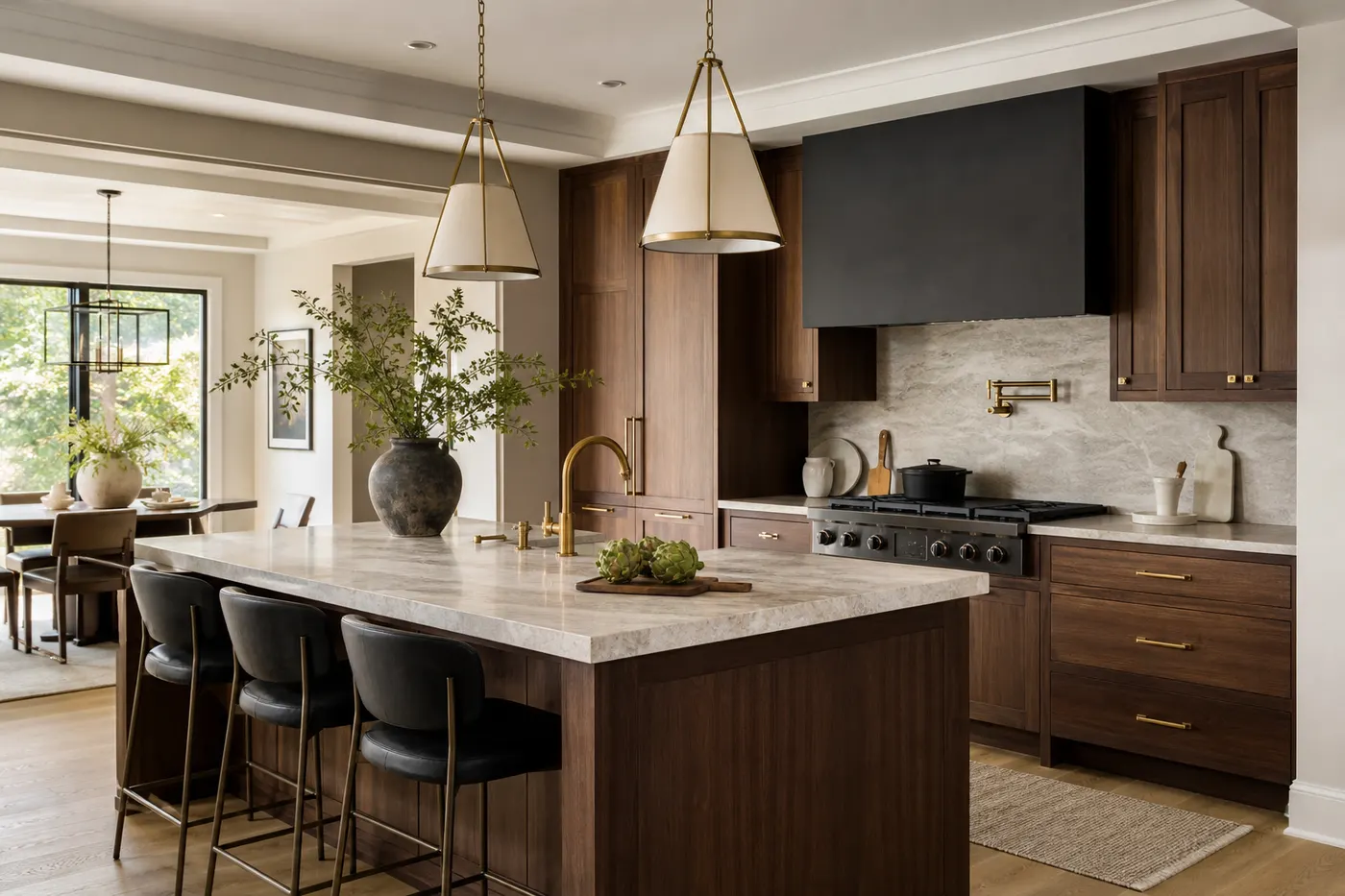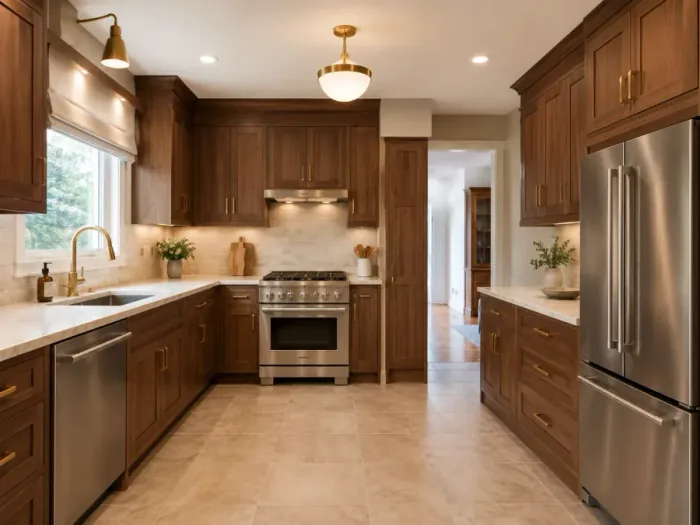

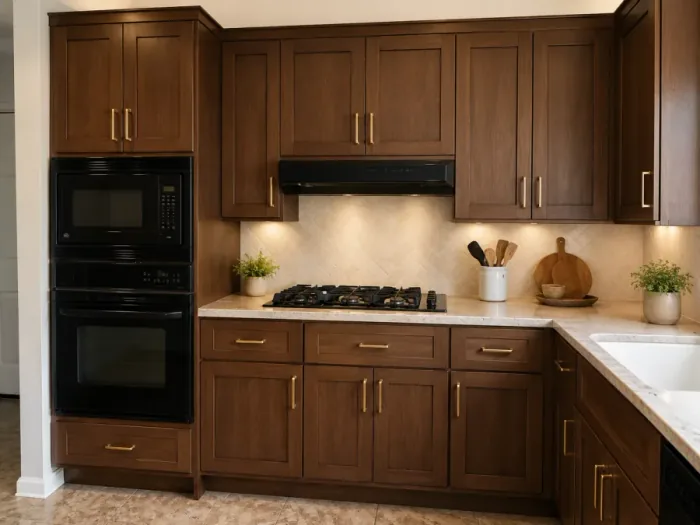
Custom cabinetry is one of the most impactful — and most misunderstood — investments you can make in your home. Homeowners often come into the conversation thinking "custom" just means more expensive. It actually means something much more specific: built to your exact specifications, for your exact space, with your exact storage needs in mind. And done right, it's worth every dollar.
Here's everything you should understand before you commit to a custom cabinet project.
Custom vs. Semi-Custom vs. Stock: What's the Actual Difference?
Stock cabinets are pre-built in fixed sizes and finishes, available at home improvement stores. They're inexpensive and fast, but you're working around standard dimensions rather than designing for your space. Fillers and spacers fill the gaps.
Semi-custom cabinets offer more size options, finishes, and interior configurations than stock, but are still manufactured within a defined range of options. They're a good middle-ground choice for many kitchens.
Custom cabinets are built specifically for your project. Every dimension, every interior fitting, every detail is designed for your space. A kitchen with a 37.5-inch opening doesn't need a filler — it gets a 37.5-inch cabinet. This eliminates compromises and maximizes both function and appearance.
The real advantage: In a kitchen with unusual dimensions, angled walls, or specific design goals, custom cabinetry isn't a luxury — it's often the only way to achieve a truly cohesive result.
Wood Species and Construction Quality
The wood species you choose affects cost, appearance, and durability significantly. Here are the most common options and their characteristics:
- Maple: Tight, consistent grain that takes paint beautifully. One of the most popular choices for painted cabinetry.
- Cherry: Rich reddish-brown tones that deepen over time. A classic choice for traditional or transitional kitchens.
- White oak: Currently very popular. Open grain, distinctive character, works beautifully in both natural and stained finishes.
- Walnut: Deep, chocolatey brown with dramatic grain. A high-end choice for contemporary and modern kitchens.
- Alder: A softer, more affordable alternative to cherry with similar warm tones.
Beyond species, ask about box construction. Dovetail drawer joinery is a mark of quality — it's significantly stronger than stapled or doweled boxes and lasts decades longer under daily use. Full-extension, soft-close drawer glides should be standard in any quality custom installation.
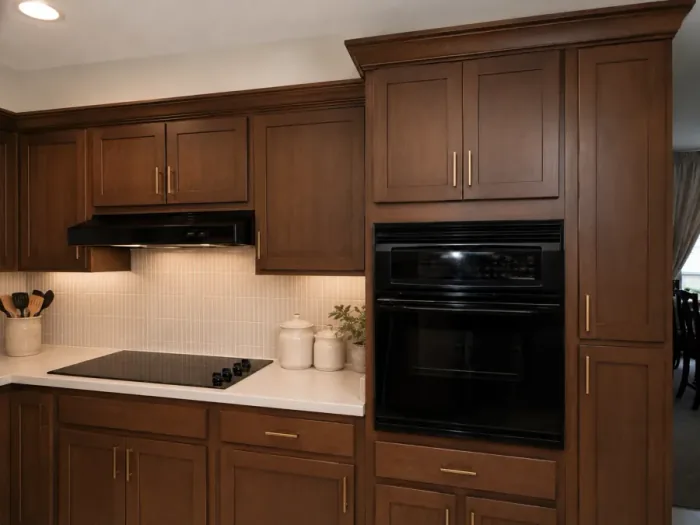
Door Styles: The Most Visible Decision You'll Make
The cabinet door profile defines the style of the entire kitchen more than any other single element. The major families:
- Shaker: A recessed center panel with clean, flat rails and stiles. Timeless, works in virtually every style from farmhouse to contemporary.
- Slab / flat panel: No profile at all — just a flat door. Very contemporary, requires precise alignment to look intentional rather than lazy.
- Raised panel: A raised center panel with detailed edges. Traditional and formal. Less common in new construction but beautifully appropriate in the right context.
- Beaded inset: The door sits flush inside the face frame with a bead detail. More complex to build, extremely refined in appearance.
Finishes: Painted vs. Stained
Painted cabinetry is having a long moment and for good reason — it's versatile, clean, and allows for dramatic color choices. White and off-white remain the most popular, but sage greens, navy blues, and warm greiges are increasingly common, especially for kitchen islands.
Stained cabinetry shows the natural beauty of the wood grain and adds warmth that painted cabinets can't replicate. Natural and lightly stained white oak is one of the most sought-after looks in the Triangle right now — it bridges the warmth of wood with the clean lines of contemporary design.
"The best cabinet finish is the one that feels right every time you walk into the room — not the one that looks impressive in a showroom photo."
Interior Fittings: Where Custom Cabinets Really Earn Their Keep
The inside of a custom cabinet is where the real magic happens. Pull-out trash and recycling drawers. Deep drawer stacks for pots and pans. Spice drawer inserts with angled slots. Utensil dividers. Roll-out shelves in base cabinets. Blind corner solutions. Charging drawer stations. These fittings transform how a kitchen functions every single day — and they're only possible when the cabinet dimensions are built around them, not adapted for them.
What to Expect from the Process
A custom cabinet project typically follows this sequence: design consultation and space measurement → layout and specification → factory fabrication (4–8 weeks) → delivery and installation (1–2 weeks) → hardware installation and punch list.
Lead times for custom cabinetry mean you need to plan ahead. If you're targeting a kitchen that's ready before the holidays or a specific life event, work backwards and start the conversation at least three to four months in advance.
At Cedarline Kitchen & Home, we guide you through every step — from the first dimension sketch to the final drawer adjustment. If custom cabinetry is on your radar, we'd love to help you design something that fits your home perfectly.